
Ever felt like your thoughts and emotions are running the show? Journaling can be a powerful way to hit pause, step back, and connect with your inner world.
Whether you’re looking to explore emotions, uncover hidden desires, or simply make sense of your experiences, journaling offers a pathway to greater self-awareness and personal growth.

Why Journaling for Self Awareness?
Journaling isn’t just about writing about your day; it’s about reflection, clarity, and growth.
By putting pen to paper (or fingers to keyboard), you create a safe space to:
- Express emotions: Explore your feelings without judgment.
- Recognize patterns: Identify recurring thoughts or behaviors.
- Uncover desires: Discover what truly matters to you.
- Break through limiting beliefs: Challenge the stories that hold you back.
Think of your journal as both a mirror and a map—helping you understand where you’ve been and guiding you toward where you want to go.
Types of Journaling for Self Awareness
Here are a few powerful techniques to experiment with, each designed to uncover different facets of your inner world.
1. Stream-of-Consciousness Journaling
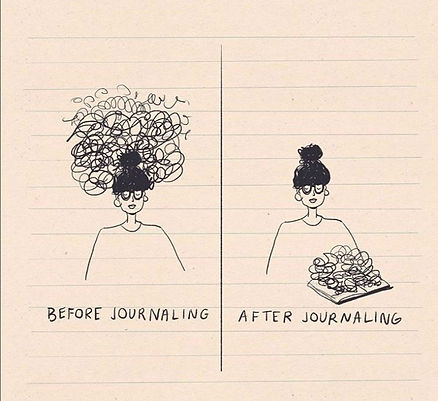
This free-flowing method is all about decluttering your mind.
Write whatever comes to you—no filters, no judgment. Let the words spill out as they are.
How to do it:
- Write down everything on your mind, from worries to random thoughts.
- Don’t censor yourself—this is a private, no-rules space.
- Aim for a few pages, but let it flow naturally.
- Once done, consider tearing up or discarding the pages as a symbolic release.
Why it helps:
By unloading mental clutter, you create space for clarity, empowerment, and constructive thinking.
As Julia Cameron describes in The Artist’s Way, this process can be deeply cathartic, even leading to creative breakthroughs.
2. Dream Journaling
Dreams are the language of the subconscious, revealing insights and emotions we may not access in our waking life.
Keeping a dream journal can help you connect with these deeper layers of yourself.
How to do it:
- Upon waking, jot down everything you remember about your dream. Use a notebook or record a voice memo if it’s easier.
- Break it down with these questions:
- What was the predominant emotion?
- Were there recurring symbols or themes?
- How might this dream reflect my waking life?
- Highlight significant elements and reflect on their meaning.
Why it helps:
Dreams often uncover subconscious fears, desires, and patterns.
Exploring them can guide your growth and help resolve inner conflicts.
3. Emotion Journaling
Strong emotions can feel overwhelming, but journaling provides a healthy outlet to process and understand them.
How to do it:
- Name the emotion you’re experiencing and describe it in detail.
- Reflect on the trigger: What event, thought, or interaction brought this up?
- Explore your thoughts: Are there beliefs fueling this emotion?
- Challenge assumptions: Are these beliefs accurate or helpful?
- End by reflecting on healthier ways to cope or respond in the future.
Why it helps:
Emotion journaling brings clarity and allows you to process feelings constructively, reducing their intensity over time.
4. Journaling Prompts for Self-Awareness
Sometimes it’s hard to know where to start. These prompts can help:
- What does your inner dialogue sound like today? How can you make it more compassionate?
- What fears or beliefs are holding you back from taking action in a certain area of your life?
- Reflect on a recent challenge—what did you learn from it?
- What’s one recurring thought or pattern you’d like to shift?
Use these as starting points to explore your inner world and deepen your understanding of yourself.
Make It Yours: Adding Creativity to Journaling
Journaling doesn’t have to be serious all the time. Think of it as your personal creative playground!
- Use colorful pens or washi tape to brighten your entries.
- Incorporate doodles, stickers, or inspirational quotes.
- Create vision boards or mind maps directly in your journal.
Creativity isn’t just fun—it also opens your mind to new perspectives and insights.
The Power of Reflection
One of the most transformative aspects of journaling is looking back. Over time, you’ll notice patterns, growth, and shifts in your thoughts and emotions.
Regular journaling can help you:
- Track progress on personal goals.
- Spot recurring triggers or themes.
- See how far you’ve come in your self-discovery journey.
By simply observing your inner world, you begin to diminish the power of negativity and create space for clarity and self-empowerment.
Final Reflections
Journaling isn’t just about documenting your thoughts—it’s about connecting with yourself on a deeper level.
Whether you’re releasing pent-up emotions, exploring your dreams, or diving into self-reflective prompts, each entry brings you closer to understanding who you are and what you need to thrive.
The key is self-honesty, consistency and curiosity. Show up with a truthful heart, and let your journal become a trusted companion on your path to self-discovery.







 Wysdomly